CupPlants
Vegetable
Bell Pepper
Capsicum annuum
A warm-season plant with smooth leaves and sweet, blocky fruit.
Pet caution for cats and dogs
Keep pets from chewing the foliage or stems of this starter. Pet Poison Helpline notes that eating pepper foliage can cause nausea.
If you suspect exposure, contact your veterinarian or ASPCA Poison Control. Pet Poison Helpline reference
What comes in the cup
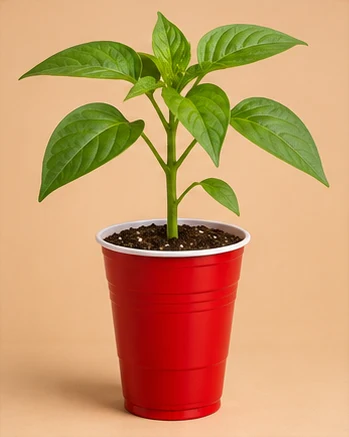
A young bell pepper plant in a red cup without drainage holes, with growing medium.
Light
Grow under bright light indoors. Harden off for a sunny, warm outdoor spot.
Watering
In the red cup: The cup has no drainage holes. When the surface begins to dry, add a little water at a time. Stop when the mix is lightly moist. If water pools, gently tip out the excess while holding the root ball in place. Once transplanted to a pot with drainage or a garden bed: Keep the mix evenly moist and drain excess water.
Planting and transplanting
Transplant after frost when nights are reliably warm. Give each plant a sunny garden spot or a draining 5-gallon pot. Gradually acclimate the plant to outdoor conditions before moving it outside full time.
What to watch for
Cold slows growth. Pick peppers green at full size or let them ripen to their mature color.
Common varieties
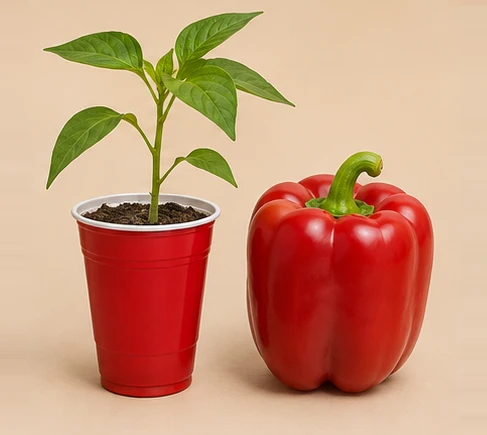 California Wonder
A classic blocky bell that matures from green to red.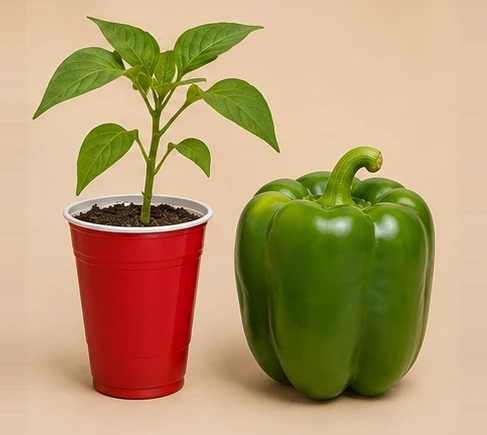 King Arthur
A thick-walled sweet bell with large fruit.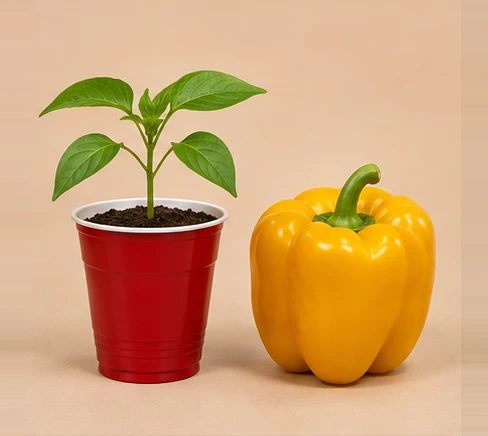 Golden California Wonder
A sweet bell that ripens to golden yellow.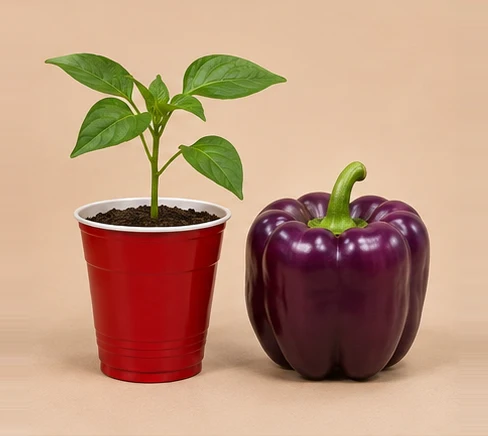 Purple Beauty
A blocky pepper with purple skin at the edible stage.
Seasonal timing and U.S. maps
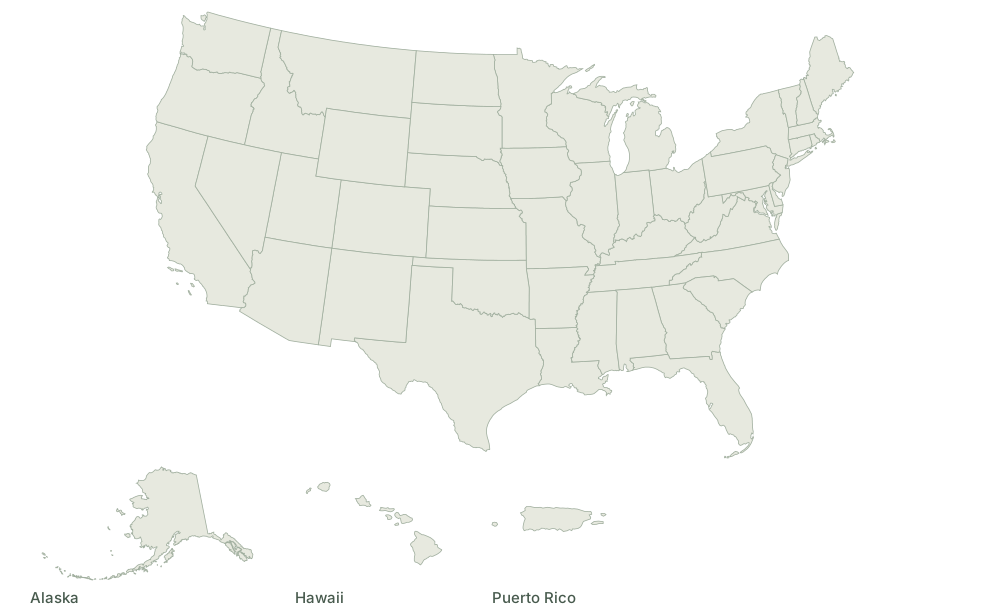
Enter a ZIP code to see the estimated transplant dates for this plant. The U.S. map shows current-month conditions.
- Estimated planting window
- Window opens soon
- Outside estimated window
- Use regional timing
- Freeze possible year-round
Shaded areas estimate planting conditions using nearby weather stations. Green shows a typical transplant window during part of the current month. Gray means local planting guidance is needed. Local heat, frost, and soil conditions can change the timing. NOAA 1991–2020 climate normals.
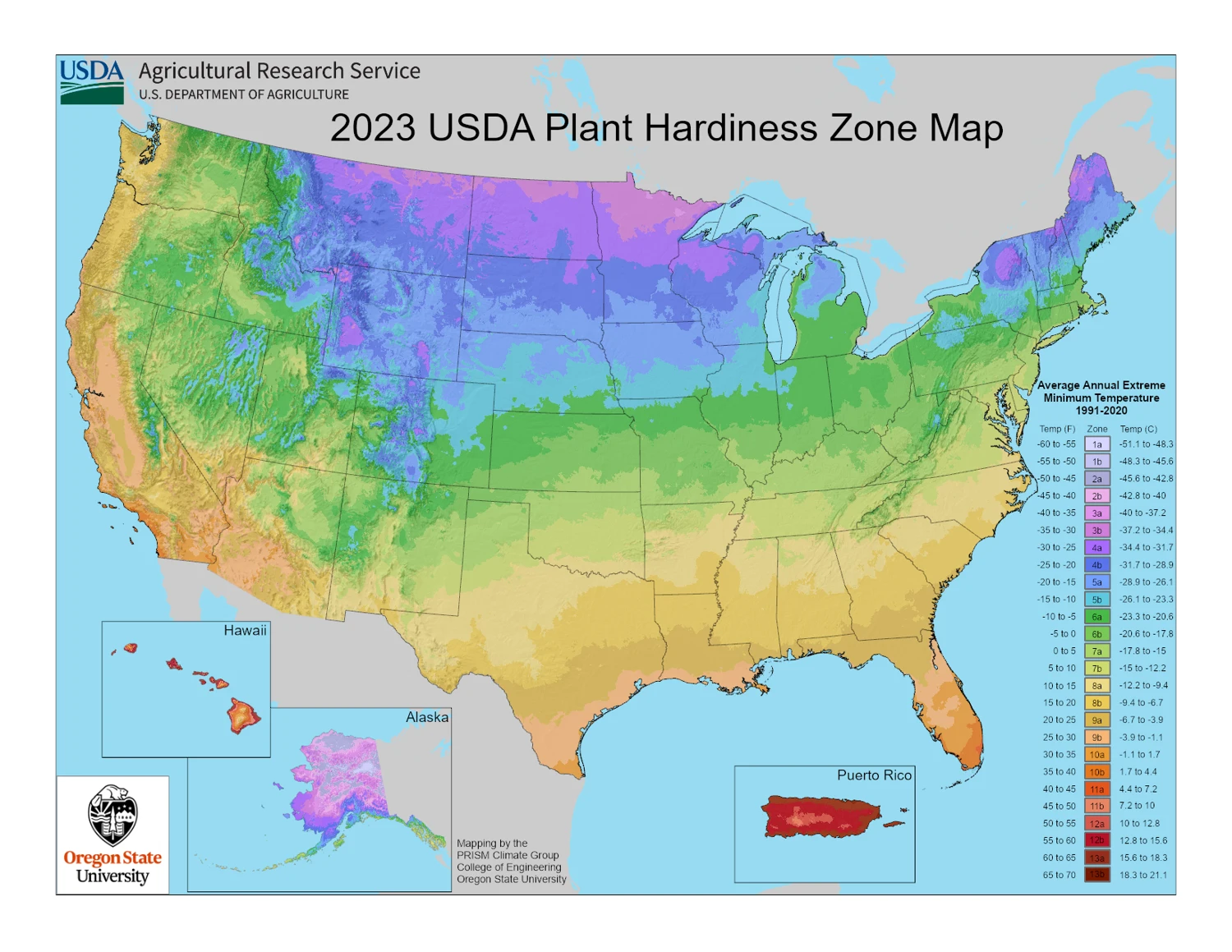
See the USDA hardiness zone map
Zone colors describe winter cold. Enter your ZIP in the seasonal guide for local planting estimates.